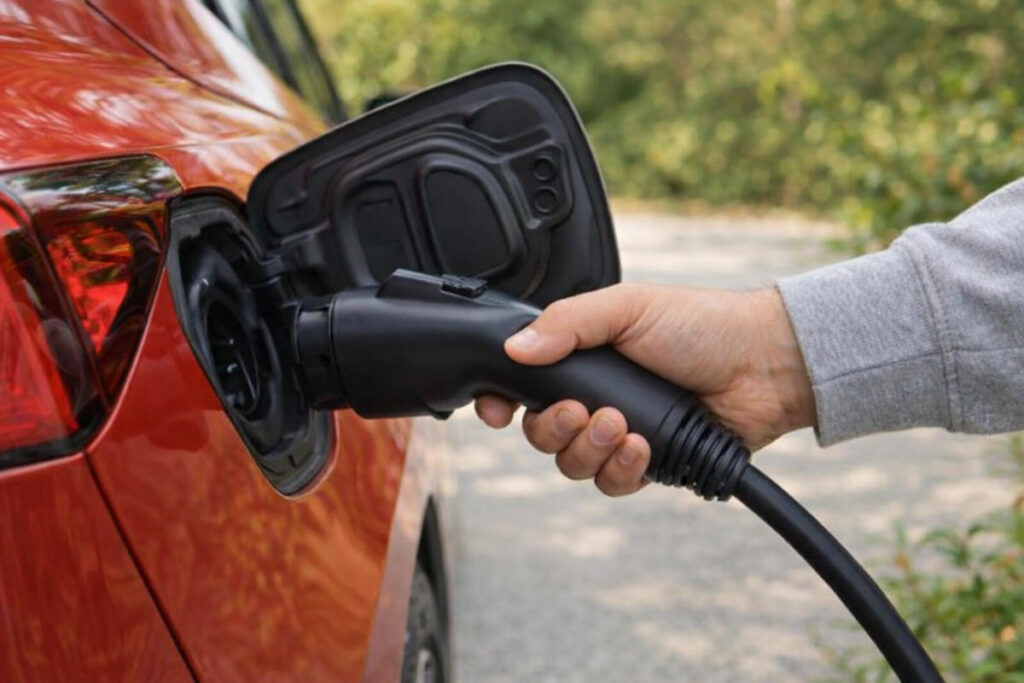
If you drive an electric vehicle, you already know how convenient it is to skip gas stations. Plugging in at home feels even better, especially on a rainy Puyallup evening when the last thing you want is another errand. The big question most homeowners ask us is simple but important. What type of EV charger actually makes sense for my home?
At Taylor Heating, Cooling, Plumbing & Electrical, we help homeowners sort through this decision every day. There are several options, and the best one depends on your car, your driving habits, and your home’s electrical setup. A little planning now can save you time, money, and frustration down the road.
Contact Taylor for professional EV charger installation and other top-tier electrical services in Puyallup, WA. Call 253.208.5315 today!
Understanding the Different Levels of EV Chargers
Not all EV chargers are created equal. Residential charging generally falls into three categories, often referred to as levels. Each level delivers power differently and affects how long it takes to charge your vehicle.
Level 1 chargers use a standard 120-volt outlet, the same kind you use for household appliances. Level 2 chargers operate on 240 volts and require a dedicated circuit. Level 3 chargers, also called DC fast chargers, are not designed for homes and are typically found in public charging stations.
Here is a quick breakdown:
- Level 1 charges very slowly but requires no special installation
- Level 2 offers much faster charging and is ideal for home use
- Level 3 is extremely fast but not practical or permitted for residential settings
- Most EV owners choose Level 2 for daily convenience
- Your vehicle manufacturer usually recommends compatible charger levels
Knowing these basics helps narrow down the right choice quickly.
Is a Level 1 Charger Enough for Your Daily Driving?
Many EVs come with a Level 1 charger, so it is tempting to assume that is all you need. For some drivers, it actually works just fine. If you have a short commute, drive infrequently, or have a second gas vehicle, slow charging overnight might meet your needs.
That said, Level 1 charging adds only a few miles of range per hour. If you forget to plug in or have back-to-back busy days, you can easily fall behind. We often hear from homeowners who start with Level 1 and upgrade later out of frustration.
Level 1 chargers tend to work best when:
- Daily driving is under 30 miles
- The vehicle can charge overnight for 10 to 12 hours
- There is no need for quick turnaround charging
- The electrical panel cannot support upgrades yet
- Budget is the primary concern
For many households, it is a temporary solution rather than a long term one.
Why Level 2 Chargers Are the Most Popular Choice
Level 2 chargers are the sweet spot for most homeowners. They deliver significantly more power, allowing your EV to charge fully overnight with ease. Instead of adding a handful of miles per hour, you can gain 20 to 40 miles of range per hour, depending on the charger and vehicle.
Installing a Level 2 charger does require electrical work. A dedicated 240 volt circuit is needed, similar to what powers a dryer or oven. This is where working with a licensed electrician really matters.
Benefits of Level 2 charging include:
- Faster and more reliable overnight charging
- Greater convenience for daily driving
- Increased home resale appeal
- Compatibility with most EV models
- Better efficiency compared to Level 1
For homeowners in Puyallup who rely on their EV daily, Level 2 charging is usually the best investment.
How Your Electrical Panel Affects Charger Options
Before choosing an EV charger, your home’s electrical panel needs a closer look. Not every panel has the capacity to support a Level 2 charger without upgrades. Older homes, especially those built decades ago, may need additional work.
Our electricians often inspect panel size, available breaker space, and overall load. Sometimes a simple breaker addition is enough. Other times, a panel upgrade is the safer and smarter route.
Things we evaluate include:
- Panel amperage rating
- Existing electrical load from appliances
- Available breaker slots
- Distance from panel to charging location
- Future electrical needs like heat pumps or solar
Skipping this step can lead to tripped breakers, overheating, or unsafe conditions. A proper assessment keeps everything running smoothly.
Hardwired vs Plug In EV Chargers at Home
Another choice homeowners face is whether to install a hardwired charger or a plug in model. Both options have their place, and the right one depends on how you plan to use the charger.
Plug-in chargers connect to a 240-volt outlet and can be unplugged if needed. Hardwired chargers are permanently connected and often support higher amperage.
Here are some key differences:
- Plug-in chargers are easier to replace or relocate
- Hardwired chargers often allow faster charging speeds
- Hardwired installations can look cleaner and more secure
- Plug-in options may be limited by outlet rating
- Local electrical codes sometimes influence the choice
We help homeowners weigh convenience, performance, and safety to choose the right setup for their lifestyle.
Do You Need Smart Features or a Basic Charger?
EV chargers now come with a wide range of features. Some are simple and reliable, while others connect to apps, track usage, and adjust charging times automatically. Neither option is wrong, but it helps to know what you are paying for.
Smart chargers can schedule charging during off-peak hours, which is useful if your utility offers time-of-use rates. They can also track energy use and send alerts. Basic chargers focus on doing one job well: charging your car.
Consider these factors:
- Utility rate plans and rebates
- Desire for usage tracking
- WiFi reliability in the garage
- Simplicity versus tech features
- Budget flexibility
Many homeowners appreciate smart features at first, then realize a simpler charger would have worked just as well. We walk through both options so there are no regrets later.
Permits, Codes, and Safety Still Matter
Installing an EV charger is not just about convenience. It is an electrical upgrade that must meet local codes and safety standards. Permits are often required, and inspections help ensure everything is done correctly.
In the Puyallup area, electrical codes are designed to protect your home and your investment. Improper installation can void warranties, cause safety hazards, and lead to costly fixes down the line.
A professional installation helps ensure:
- Proper grounding and wiring
- Correct breaker sizing
- Compliance with local codes
- Safe long-term operation
- Protection of your vehicle and home
This is one area where cutting corners usually ends up costing more.
Taylor Heating, Cooling, Plumbing & Electrical Helps You Choose the Right EV Charger
Choosing the right EV charger does not have to feel overwhelming. At Taylor Heating, Cooling, Plumbing & Electrical, we help homeowners in Puyallup and nearby communities find the charger that fits their vehicle, home, and daily routine. From panel evaluations to professional installation, we handle it all.
If you are ready to charge faster, safer, and with confidence, we are here to help. Reach out to Taylor and let our electrical experts design a home EV charging solution that works for you now and well into the future. Call us today at 253.208.5315 to schedule your next service.