Winter is when many of us notice rising utility bills, especially if we are already dealing with furnace issues or a heating system that is working harder than usual. Cold weather means longer showers, more laundry, and a higher demand for hot water around the house. All of this can push both water and energy usage higher than we would like.
Puyallup homeowners often tell us they want to cut down on their winter expenses without sacrificing comfort. The good news is that smart water conservation habits can do exactly that. With a few simple changes, you can save water, reduce strain on your water heater, and lower energy costs at the same time.
Tip #1: Adjust Your Water Heater Temperature
Setting your water heater to the right temperature is one of the quickest ways to save both water and energy. Many homes have the temperature set higher than necessary, often close to the factory default of around 140 degrees. At that level, the heater works overtime, and the water can be too hot for everyday tasks, which leads to mixing more cold water and wasting energy.
Lowering the temperature to around 120 degrees usually provides plenty of comfort while reducing stress on the heater. It also prevents scalding, reduces mineral buildup, and improves the overall lifespan of the unit. Whether you have a traditional water heater or a tankless water heater, this small adjustment can make a noticeable difference on your monthly bills. Even better, the heater does not have to run as often to maintain the set temperature.
If you are unsure where to start, a technician can walk you through the proper settings during a routine water heater maintenance appointment.
Tip #2: Fix Small Leaks Before They Get Worse
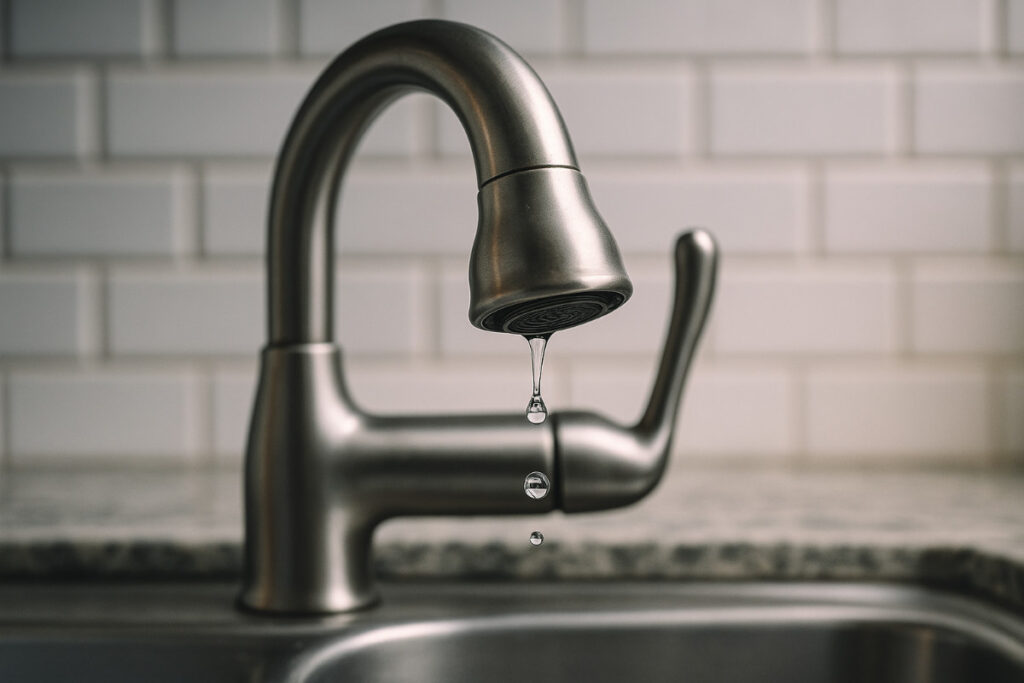
Winter is a tough season for plumbing. Pipes are under more pressure, water is colder, and even small leaks can waste far more water than you might expect. A dripping faucet or a slow leak in a toilet tank can add gallons of wasted water per day. When cold temperatures settle in, minor leaks can turn into bigger problems that require professional plumbers to fix.
Patching leaks early is one of the most effective water conservation steps you can take. Not only does it save water, it protects your home from hidden moisture damage during the damp winter months. It also reduces the amount of water your water heater must supply, helping lower energy costs.
Common places to check include:
- Faucets: Slow drips add up quickly during winter
- Toilet flappers: Worn seals cause constant water flow
- Showerheads: Small leaks create surprising waste
- Outdoor hose bibs: Cold weather can crack fittings
- Under sinks: Look for moisture rings or damp wood
A quick fix now can prevent a much bigger repair later.
Tip #3: Upgrade to Water-Efficient Fixtures
Older faucets, showerheads, and toilets use more water than modern models, even when you do not notice anything wrong. Winter is an ideal time to make these upgrades because hot water usage tends to go up as temperatures drop. Something as simple as replacing an old showerhead with a water-saving model can make shower time more efficient without reducing comfort.
Upgrading fixtures has a direct impact on energy use because your water heater does not have to heat as much water. The savings are especially noticeable in homes with teenagers or anyone who loves long winter showers. Modern faucets and toilets also reduce household demand, making your plumbing system run more smoothly during colder months.
Popular upgrades include:
- Water-saving showerheads: Reduce flow while maintaining pressure
- High-efficiency faucets: Use less water for everyday tasks
- Low-flow toilets: Cut down on gallons per flush
- Aerators: Mix air with water for reduced flow
- Touchless faucets: Help prevent wasted water between tasks
These small updates add up to meaningful savings all winter long.
Tip #4: Insulate Pipes and Hot Water Lines
When hot water travels through cold pipes, it cools down quickly. This forces your water heater to work harder and makes you run the tap longer waiting for warm water. Pipe insulation is one of the most cost-effective winter upgrades because it keeps the water warm as it moves through your home.
Insulating pipes also protects your plumbing from freeze-related damage. Frozen water can crack pipes or damage connections, leading to costly repairs. Whether you have a traditional plumbing setup or a hydronic system, insulation helps the whole system run more efficiently. Installing insulation on exposed pipes is simple and inexpensive, and it can reduce heat loss noticeably on cold days.
To improve pipe insulation, focus on:
- Exposed pipes near exterior walls: They lose heat fastest
- Pipes in crawlspaces: Cold air can move in easily
- Basements and garages: These areas often stay unheated
- Water heater supply lines: Prevents instant cooling
- Hidden spaces behind cabinetry: Often overlooked
Warm pipes mean faster hot water and lower energy costs.
Tip #5: Change Your Daily Habits to Reduce Winter Water Waste
Sometimes the biggest savings come from the simplest habits. Many of us do things automatically during winter without realizing how much water and energy we use along the way. Making a few small adjustments can keep your home comfortable while supporting both water conservation and efficient heating.
Shortening showers, running full loads in the dishwasher, and avoiding unnecessary faucet use can go a long way. Even reducing shower time by one minute has a noticeable impact when multiplied across the whole family. It also means your water heater does not need to work as hard. That leads to lower energy costs and a healthier system overall.
A few habit adjustments worth trying include:
- Shorter showers: Reduces hot water demand and saves energy
- Running full loads: Dishwashers and washers work best when filled
- Turning off taps: Prevents waste during brushing or cooking
- Using cold water for laundry: Protects fabrics and saves energy
- Timing hot water use: Spreads out the heater workload
Small habit changes can add up quickly, especially during winter.
How Winter Weather Impacts Your Water Heater
Cold temperatures affect every part of your plumbing system, and the water heater feels it the most. Winter water entering the heater is much colder than in warmer months, which means the heater must work harder to bring it up to the right temperature. This extra strain increases energy usage and can reveal aging parts that were holding on during milder weather.
Sediment buildup is also more noticeable in winter because the heater runs longer cycles. If minerals have collected at the bottom of the tank, the heater becomes less efficient and may produce less hot water. Homeowners with tankless water heaters may notice slower heating or inconsistent temperatures when the incoming water is extremely cold. Routine water heater maintenance is the best prevention because a tuned, clean heater can handle winter demand more easily.
In some cases, the best long-term solution is water heater repair or replacement. A technician can assess whether your system still has plenty of life left or if a newer model would save more energy in the long run.
Why Your Heating System Matters for Water Conservation
Heating and water usage are closely connected. If your furnace or hydronic system is struggling, it changes how your home handles heat and water at the same time. For example, many boiler system homes rely on hot water for both heating and domestic use. A struggling boiler can increase household energy usage dramatically.
Even traditional forced air homes benefit from a healthy heating system. When the home is too cold, people tend to take longer showers, keep faucets running longer, and use more hot water in general. Updating, tuning, or repairing a boiler system can improve both comfort and water conservation. Boiler maintenance is especially important in winter because the system works continuously during the coldest months.
Benefits of a well-maintained heating system include:
- Faster recovery times for water heaters
- More even home heating, reducing hot water demand
- Better efficiency that lowers energy costs
- Reduced stress on pipes during temperature swings
- Fewer emergency repairs related to frozen lines
A warm, efficient home supports smarter water usage.
How Professional Plumbing Services Can Help You Save
Many homeowners in Puyallup are surprised by how much professional plumbers can help with both water conservation and winter energy savings. A trained technician can inspect your plumbing system, identify weak points, and recommend improvements that reduce waste. Sometimes, a small leak repair is all you need. Other times, upgrading a failing water heater or improving insulation will make a far bigger difference.
For older homes, repiping or replacing worn sections of pipe can stop ongoing water waste. Installing a new pipe may be the best option when the existing line is corroded or damaged. Winter also tends to reveal early signs of plumbing strain, and fixing these problems now prevents costly failures later.
Professional plumbing services can assist with:
- Water heater repair or replacement
- Pipe insulation upgrades
- Fixing leaks that increase winter usage
- Improving boiler efficiency
- Installing low-flow fixtures
- Diagnosing unexplained high water bills
- Replacing damaged supply lines
With the right support, your home stays efficient and protected all winter long.
Keep Your Home Efficient This Winter With Help From Taylor
Saving water and lowering energy costs often starts with making sure your heating and plumbing systems are working the way they should. When your furnace or water heater is struggling, it forces your home to use more water and more energy than necessary. At Taylor Heating, Cooling, Plumbing & Electrical, we help Puyallup homeowners and families in nearby communities keep their homes running smoothly throughout the winter season.
Our technicians handle everything from furnace tune-ups to plumbing repairs, water heater care, and efficiency upgrades. We take the time to walk you through what we find and what your home truly needs. If you are looking for ways to stay warm, save money, and protect your home from winter wear and tear, our team is always ready to help.