A furnace that turns on, runs for a few minutes, then shuts off, only to repeat the cycle again and again, is more than just annoying. That pattern, known as short cycling, can leave your home feeling unevenly heated and drive your energy bills higher than they should be. We hear about this a lot from homeowners around Puyallup, especially during those cold, damp stretches when your furnace should be working steadily, not frantically. The good news is that some causes are surprisingly simple, while others just need a trained set of eyes to sort out safely. Either way, understanding what’s going on is the first step toward getting your comfort back.
Is your furnace short-cycling? If you’ve tried every troubleshooting method and nothing seems to fix it, reach out to Taylor Heating, Cooling, Plumbing & Electrical for trusted furnace repair in Puyallup, WA. Call us today at 253.208.5315 or contact us online to schedule your service.
What Short Cycling Really Means for Your Furnace
Short cycling happens when your furnace shuts off before completing a full heating cycle. Instead of warming your home evenly, it blasts heat in short bursts, rests briefly, then fires back up. That constant starting and stopping puts extra strain on components that are designed to run smoothly over longer periods.
Over time, this strain adds up. Parts like the igniter, blower motor, and control board wear out faster. Efficiency drops too, since furnaces use the most energy during startup. Homeowners often notice rooms that never quite get warm, odd noises, or a furnace that seems like it is always running without actually delivering comfort.
Here are a few signs that short cycling might be happening in your home:
- The furnace turns on and off every few minutes
- Some rooms feel chilly while others overheat
- Energy bills climb without a clear reason
- The system sounds louder than usual during startup
- You are constantly adjusting the thermostat
If this sounds familiar, it’s worth taking a closer look before the issue snowballs into something more serious.
Thermostat Problems That Trigger Short Cycling
The thermostat is the brain of your heating system, so when it sends the wrong signals, chaos follows. One of the most common causes of short cycling is a thermostat that is poorly placed, miscalibrated, or simply failing due to age.
If your thermostat sits near a drafty window, heat vent, or even a frequently used hallway, it can get false temperature readings. The furnace thinks the house is warm enough and shuts off, even though the rest of your home is still cold. Wiring issues or low batteries can cause similar confusion.
Common thermostat-related issues include:
- Poor placement: Thermostats near doors, windows, or vents sense temperature changes too quickly and shut the furnace down early.
- Old or failing sensors: Aging thermostats may read temperatures inaccurately, sending mixed signals to the furnace.
- Loose wiring: Small wiring problems can interrupt communication between the thermostat and furnace.
- Dead or weak batteries: Low power can cause erratic commands that lead to frequent cycling.
Sometimes, recalibrating or relocating the thermostat solves the problem. In other cases, upgrading to a modern, properly installed model makes a world of difference.
Dirty Filters and Restricted Airflow
This one surprises a lot of homeowners because it feels almost too simple. A clogged air filter can absolutely cause short cycling. When airflow is restricted, heat builds up inside the furnace. Safety sensors detect this and shut the system down to prevent overheating. After cooling off, the furnace tries again, and the cycle repeats.
In the Pacific Northwest, where furnaces often run for long stretches, filters can clog faster than expected. Pet hair, dust, and even construction debris from nearby projects all add up. Beyond filters, blocked vents or closed registers can create the same airflow problems.
Keep an eye out for these airflow-related red flags:
- Filter looks gray, dusty, or clogged
- Weak airflow from supply vents
- Furnace feels unusually hot to the touch
- Whistling or whooshing sounds from vents
- Registers blocked by furniture or rugs
Changing your filter regularly and keeping vents clear is one of the easiest ways to protect your furnace from unnecessary stress.
Oversized Furnaces and Why Bigger Isn’t Better
An oversized furnace heats your home too quickly. While that might sound like a good thing, it actually leads straight to short cycling. The system blasts heat, satisfies the thermostat in minutes, and shuts off before distributing warmth evenly. Then, once the temperature drops slightly, it fires back up.
This often happens in older homes that have been renovated, insulated, or expanded without adjusting the heating system. What worked decades ago may now be far more power than your home needs.
Problems caused by oversized furnaces include:
- Rapid on-and-off cycling
- Uneven temperatures from room to room
- Higher energy bills despite a newer system
- Increased wear on furnace components
- Reduced overall comfort
Fixing this usually requires professional evaluation. Sometimes adjustments can be made, but in other cases, the long-term solution involves resizing or upgrading the system to better match your home’s needs.
Flame Sensor and Safety Switch Issues
Modern furnaces rely on safety components to operate correctly, and when these parts malfunction, short cycling often follows. A dirty or faulty flame sensor is a frequent culprit. Its job is to confirm that the burner flame is present. If it can’t detect the flame, the furnace shuts down as a safety precaution.
Other safety switches, such as limit switches, can trip if the system overheats or airflow is restricted. These shutdowns protect your home, but repeated trips point to an underlying problem that needs attention.
Common safety-related causes include:
- Dirty flame sensor: Buildup prevents accurate flame detection, causing the furnace to shut down seconds after ignition.
- Faulty limit switch: A malfunctioning switch may cut power even when temperatures are normal.
- Overheating due to airflow issues: Restricted airflow triggers safety shutdowns repeatedly.
- Electrical control problems: Loose connections or failing boards interrupt normal operation.
- Gas supply interruptions: Inconsistent gas flow can cause burners to shut off unexpectedly.
- Vent or flue blockages: Improper venting leads to unsafe conditions and automatic shutdowns.
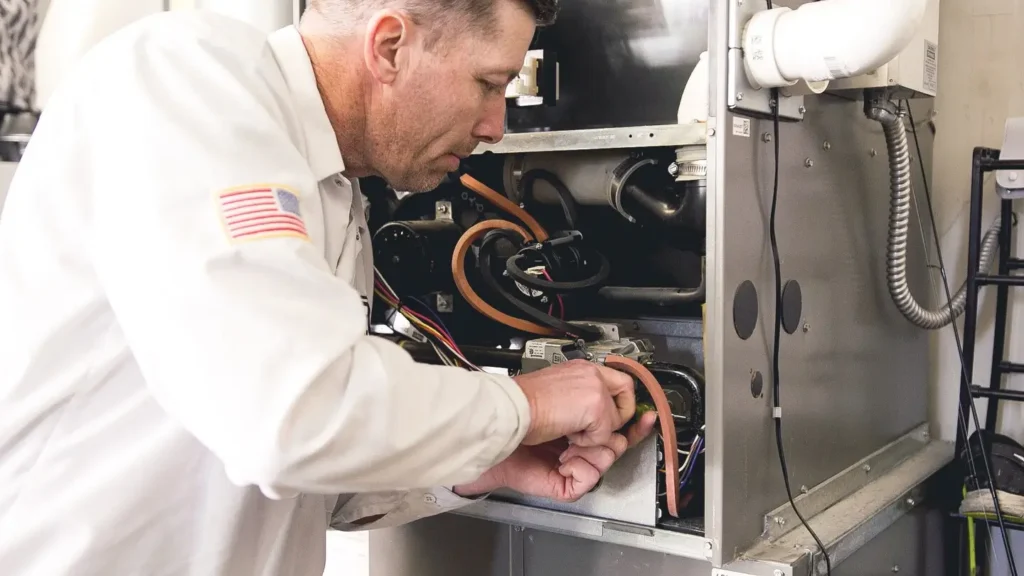
Cleaning or replacing these components should always be handled by a trained technician, since they are critical to safe operation.
Quick Fixes You Can Try Before Calling a Pro
Not every short cycling issue requires immediate professional repair. There are a few safe, simple steps homeowners can try first. These checks can sometimes resolve the problem or at least provide useful information when you do call for service.
Here are some homeowner-friendly quick fixes worth trying:
- Replace the air filter with the correct size and type
- Make sure all supply and return vents are open and unobstructed
- Check thermostat batteries and replace if needed
- Confirm the thermostat is set to heat and programmed correctly
- Clear debris from around intake and exhaust vents outside
If these steps don’t help, or if the furnace continues cycling rapidly, it’s time to stop experimenting. Furnaces involve gas, electricity, and safety controls, and guessing can do more harm than good.
When Short Cycling Signals a Bigger Problem
Short cycling is sometimes a symptom of deeper issues, like failing components, improper installation, or aging equipment nearing the end of its lifespan. Ignoring it can lead to cracked heat exchangers, blower motor failure, or complete system breakdowns during the coldest days of winter.
In many cases, a professional inspection uncovers multiple small problems contributing to the issue. Addressing them early can extend the life of your furnace and restore steady, reliable heating. It also helps keep your home safer, since malfunctions can increase the risk of carbon monoxide problems.
If your furnace is more than 15 years old and short cycling has become frequent, it may be worth discussing long-term options. Repairs might help for now, but planning ahead can save money and stress down the road.
Get Your Furnace Back on Track With Taylor in Puyallup
If your furnace is short-cycling and quick fixes haven’t solved it, Taylor Heating, Cooling, Plumbing & Electrical is ready to help. We’ve been taking care of homes in Puyallup and the surrounding areas since 1984, and we know how frustrating heating problems can be, especially when winter weather rolls in. Our technicians take the time to find the real cause, not just the obvious symptom.
Whether it’s a dirty sensor, airflow issue, thermostat trouble, or something more complex, we’ll walk you through your options and get your system running the way it should.
When you’re ready for steady warmth and fewer surprises from your furnace, reach out to Taylor for top-tier heating services in Puyallup, WA. We’re here to make your home comfortable again, without the guesswork.