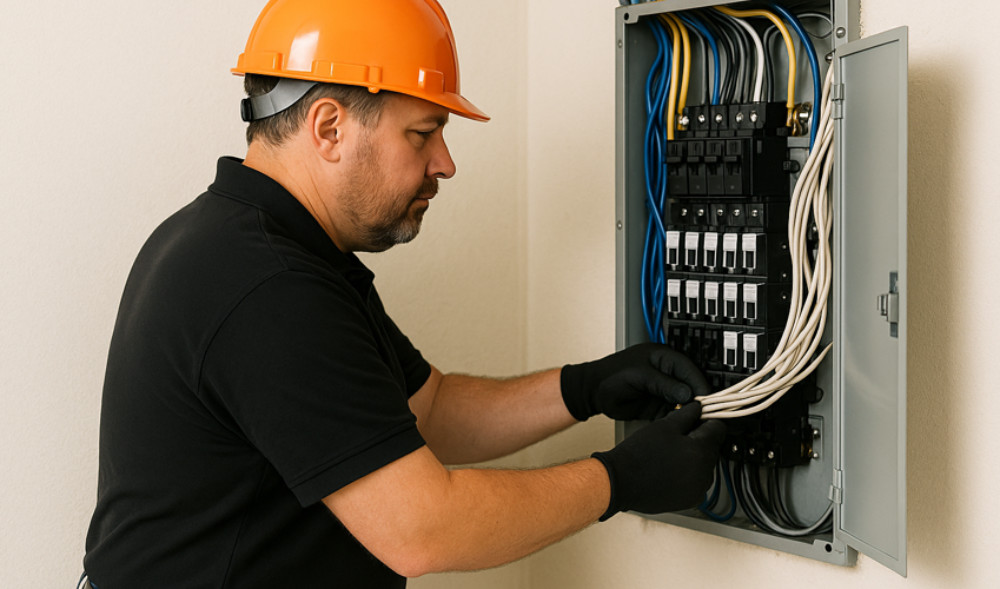
If your home was built between the mid-1960s and late 1970s, there’s a chance aluminum wiring is hiding behind the walls. Back then, aluminum seemed like a smart alternative to copper. It was cheaper, widely available, and met building codes at the time. Fast forward to today, and we know a lot more about the risks that came with that decision.
Homeowners in Puyallup often discover aluminum wiring during a remodel, inspection, or insurance review. That moment usually brings a mix of confusion and concern. Aluminum wiring doesn’t automatically mean disaster, but it does raise the stakes. Understanding why it’s risky and what can be done about it is key to keeping your home safe.
How Aluminum Wiring Became Common in Older Homes
Aluminum wiring didn’t show up by accident. During the 1960s and 70s, copper prices spiked, and builders needed an alternative. Aluminum was lightweight, affordable, and already used in power transmission, so it felt like a reasonable substitute for residential wiring.
At the time, homes used fewer high-demand electrical devices. Microwaves, gaming systems, large TVs, and multiple computers weren’t part of everyday life yet. Electrical loads were lighter, and systems were not pushed as hard as they are today.
The problem is that houses evolve, but the wiring often stays the same. Modern households draw far more power than those systems were designed to handle. What once worked fine can now become a weak link, especially when combined with aging materials and outdated connections.
Why Aluminum Wiring Is More Dangerous Than Copper
Aluminum behaves differently than copper, and those differences matter a lot inside your walls. One of the biggest issues is expansion and contraction. Aluminum expands more than copper when it heats up, which happens every time electricity flows through it.
Over time, that movement loosens connections. Loose connections create resistance, resistance creates heat, and heat increases fire risk. Aluminum also oxidizes more easily, which further increases resistance at connection points.
Here are the main reasons aluminum wiring raises safety concerns:
- It expands and contracts more than copper
- Connections loosen over time
- Oxidation increases resistance
- It’s more prone to overheating at outlets and switches
These issues tend to show up at connection points rather than along the wire itself, which makes them harder to detect without a proper inspection.
Warning Signs Your Home May Have Aluminum Wiring Issues
Aluminum wiring problems don’t always announce themselves loudly. In many cases, the warning signs are subtle and easy to brush off until something serious happens. That’s why awareness matters.
Homeowners should watch for these red flags:
- Warm outlets or switch plates: Heat around electrical devices can signal loose connections behind the wall.
- Flickering or dimming lights: Inconsistent power flow often points to wiring problems.
- Buzzing or crackling sounds: Noises from outlets or switches are never normal.
- Burning smells: This can indicate overheating wiring or insulation.
- Discolored outlets or switches: Darkened or scorched areas suggest past overheating events.
If you notice any of these signs, it’s important not to ignore them. Electrical issues rarely fix themselves and often get worse with time.
Insurance and Resale Complications With Aluminum Wiring
Beyond safety, aluminum wiring can create practical headaches when it comes to insurance and resale. Many insurance companies view aluminum wiring as a higher risk. Some may raise premiums, require documentation of corrective work, or refuse coverage altogether.
Buyers can also get nervous when aluminum wiring shows up in a home inspection report. Even if the system hasn’t caused problems yet, the perceived risk can affect negotiations or slow down a sale.
Common challenges homeowners face include:
- Higher insurance premiums
- Required electrical inspections
- Requests for proof of remediation
- Buyer concerns during home sales
- Reduced home value in some cases
Addressing aluminum wiring proactively can make these conversations much easier and protect your investment.
Common Fixes for Aluminum Wiring and Their Limits
There are a few ways electricians address aluminum wiring, and not all solutions are created equal. Some fixes reduce risk but don’t eliminate it entirely. Others provide long-term peace of mind but require a larger upfront investment.
Here are the most common approaches:
- COPALUM crimp connections: These permanently join copper to aluminum at connection points using specialized tools.
- AlumiConn connectors: Approved connectors that improve connection safety when installed correctly.
- Pig-tailing with copper: Short copper wires are connected to aluminum, reducing stress at devices.
- Device replacement: Swapping outlets and switches rated for aluminum wiring.
- Full rewiring: Replacing aluminum wiring with modern copper wiring throughout the home.
Partial fixes can help, but full rewiring is the only option that completely removes aluminum wiring risks. The right choice depends on the home, budget, and long-term plans.
Why Modern Electrical Demands Make Aluminum Wiring Riskier
Homes today use far more electricity than they did decades ago. Between EV chargers, smart home devices, high-powered kitchen appliances, and home offices, electrical systems are under constant strain.
Aluminum wiring struggles under these heavier loads. The more current flowing through the system, the more heat is generated at weak connections. That heat accelerates wear and increases the likelihood of failure.
Modern electrical demands include:
- Larger appliances with higher amperage needs
- Multiple devices running simultaneously
- Increased use of space heaters and electronics
- Expanded lighting and smart technology
Older wiring systems simply weren’t designed for this level of demand. Upgrading wiring brings your home in line with how you actually live today.
Why Professional Inspection Matters So Much
Aluminum wiring is not a DIY situation. Proper evaluation requires training, experience, and specialized tools. A professional electrician knows where to look, what to test, and how to assess risk accurately.
An inspection doesn’t automatically mean you need a full rewire tomorrow. It gives you clarity. You’ll know what wiring you have, where the vulnerabilities are, and what options make the most sense.
A thorough inspection typically includes:
- Identifying aluminum branch wiring
- Checking outlets, switches, and junction boxes
- Testing connection integrity
- Assessing overall electrical load
- Recommending safe, code-compliant solutions
That information puts you back in control instead of guessing.
Get Trusted Wiring and Re-Wiring Services in Puyallup, WA From Taylor!
If you suspect your home has aluminum wiring, Taylor Heating, Cooling, Plumbing & Electrical is ready to help. We’ve been serving Puyallup and surrounding communities since 1984, and electrical safety is something we take seriously. Our licensed electricians know how to identify aluminum wiring issues and explain your options clearly.
Whether you need an inspection, targeted repairs, or a full rewiring plan, we’ll help you choose the safest path forward for your home and family. Old wiring doesn’t have to be a constant worry. Reach out to Taylor and let us help make your home safer, more reliable, and ready for the future.